How to detox your home from smoke: a room‑by‑room checklist
July 29, 2026·7 min read
The day before you quit, strip your home, car and clothes of smoke triggers. A simple, room‑by‑room guide to cut cravings before they start.
The day before your quit date has one main job: strip smoke from your home, your car, and everything you wear.
It sounds like cleaning. What you’re really doing is removing triggers.
What is thirdhand smoke, and why isn’t it enough to toss the pack?
Because cigarettes don’t just live in the pack. Every minute smoke hangs in the air, it leaves tar and nicotine on surfaces: wall paint, curtains, couch fabric, carpets, car ceiling, pillows.
Those leftovers are called thirdhand smoke. Two things matter for you: they can linger for months, and they don’t disappear just because you crack a window.
Health effects aside, here’s the part we care about right now: the smell is a trigger. When you walk into the living room in the morning, that smell doesn’t just remind you of smoking — it can kick off the urge directly. You’ve already seen in your journal how the craving chain is built; smell is one of the sneakiest links in that chain.
The sneaky part: you usually notice visual triggers. If you see a pack, you think “there’s a pack” and some kind of defense clicks in. Smell slides under the radar — by the time the craving hits, you don’t know why. It feels like “I suddenly want a cigarette for no reason.” There is a reason. It’s coming from the curtains.
That’s why this cleanup is the least symbolic and the most mechanical item on your prep list. Other steps strengthen your decision; this one reduces how many times that decision will get tested.
First pass: a 15‑minute sweep for objects
Take one quick lap around your place and collect:
Cigarette packs — open, closed, “back‑up,” forgotten. Check jacket pockets and the bottom of bags.
Lighters. All of them.
Ashtrays. All of them.
Small portable things that smell like smoke: car air fresheners, little desk trays, tobacco tins.
Then throw them out. Don’t store them, don’t keep them “for guests,” don’t hand them off to a neighbor.
⚠️ There’s a real difference between putting an ashtray on top of a cabinet and getting it out of your life. A stored ashtray quietly tells your brain, “if I cave, I’m ready.” With that option visible, every tough moment turns into a fresh debate. Getting rid of it closes that debate now — it’s not symbolic; it’s a practical way to simplify your future.
Room by room: what to clean and how
Living room. This is usually smoking central. Wash the curtains, remove and wash any couch covers, clean or have the rug cleaned. Move the seat where you usually smoke — literally shift it so the view and the routine break.
Bedroom. Wash pillowcases, sheets, duvet covers. Jackets and coats in the closet hold on to smoke for a long time; air or wash them.
Kitchen and balcony/patio. If you’ve been smoking on the balcony or patio, wipe down the table and chairs, and replace any soil in plant pots used as an ashtray — soil that’s had butts in it can smell for months. Wipe balcony door handles and glass, too.
Bathroom. Towels and the shower curtain trap smells; wash both.
Car. Empty and wipe the ashtray, take out and wash the floor mats, wipe the headliner with a damp cloth, replace the cabin air filter. The car is small and sealed, so smell builds up fast — a lot of people hit their first big craving alone in the car.
You. Wash the clothes you’ve smoked in, wash your hair to clear the pillow smell, brush your teeth. Starting quit morning “unscented” is a small but real advantage.
After objects: rebuild the space
Cleaning handles the smell. But there’s something else most guides skip: the space itself is a trigger.
Your smoking spot has probably been the same for years: same chair, same angle, same side table your hand reaches for. Even when it’s spotless, just sitting there tells your body what usually comes next.
The fix isn’t just cleaning — it’s breaking the pattern:
Turn or move your most‑used chair.
If you smoke on the balcony, bring the chair inside — at least for the first two weeks.
Put something different on the table your hand reaches for when you smoke: a book, a mug, a plant. An empty surface is an invitation.
Change where you go after meals: instead of “table → balcony,” make it “table → kitchen” or another room.
None of these changes have to be permanent. In two or three weeks, you can put everything back. By then, the chain is usually broken.
What to clean with
You don’t need fancy products. For surfaces, warm water plus vinegar or your usual surface cleaner works. For fabrics, a normal wash cycle is fine; for things you can’t wash, use baking soda (sprinkle it on, leave it for a few hours, then vacuum).
Odor‑removal sprays mostly cover smells; they don’t remove them. Once the cover scent fades, the old smell comes back — often at a moment when you’re not braced for it.
Walls are special. In a place where people have smoked for years, the paint can hold a yellowish film that doesn’t really wipe off — you only hide it with new paint. If you’re thinking about repainting, save that for after your quit date: it’s a big job, and that week you’ll actually benefit from a project that keeps your hands busy. If you paint without a primer, the yellow can bleed through again in a few months.
Don’t forget AC and ventilation filters. Your heating/cooling system can keep circulating residue for months; just changing the filter can noticeably cut the smell.
If you live with someone who smokes
This is the hardest scenario, because part of the solution isn’t in your hands.
You may not get a perfectly smoke‑free home. But before you give up on the idea, there are three points you can usually negotiate — and they’re often accepted:
1. One smoking area. Smoking stays on the balcony, patio, or outside — door closed, no drifting into the rest of the home, not even one “exception room.”
2. Shared spaces stay clean. Living room, kitchen, bedroom — no smoking objects, no smell. You spend most of your time in these three.
3. No packs left out. A pack in plain sight is as strong a trigger as smell. A drawer is enough.
⚠️ These three aren’t a shy request; they’re a clear boundary — but not a demand that the other person quit. “You should quit too” usually backfires. “For my first two weeks, I need these three things” is more likely to land. We cover how to tell people you’re quitting in a separate article.
If one day isn’t enough
You don’t have to do everything in one shot. Priority order looks like this:
Objects (packs, lighters, ashtrays) — today, non‑negotiable
Car and your main smoking spot
Textiles (curtains, covers, bedding)
Walls and the rest — you can spread these over the following weeks
The first two should be done before quit day. The rest can be “week one work.” In fact, that’s useful: during the first 72 hours when your hands want something to do, this list will be waiting.
A side effect you might not expect: your sense of smell comes back
A few days after you’re done cleaning, something odd can happen: your place seems to smell more, not less.
The reason isn’t that your home got dirtier — it’s that your nose is waking up. Around 48 hours after your last cigarette, taste and smell become noticeably sharper.
That’s why some people do a second round of cleaning in week two — they’re suddenly picking up smells they didn’t notice the first time. We break down what happens in your body hour by hour in another guide.
Today’s task: one trash bag, fifteen minutes, every pack and lighter you can find.
The rest can line up after that. Tomorrow morning, your home will smell different from this morning — and that’s one of the most concrete items on your pre‑quit checklist.
Add your date to the countdown on the right and track that first clean‑air day from there. And if you want something in your pocket for tough moments, the Tar2Star app is built exactly for those minutes, with breathing exercises and quick distraction tasks.
This page is a photo. The app is the film.
These numbers show today. Tar2Star shows you a new one every morning — and stays with you when a craving hits.
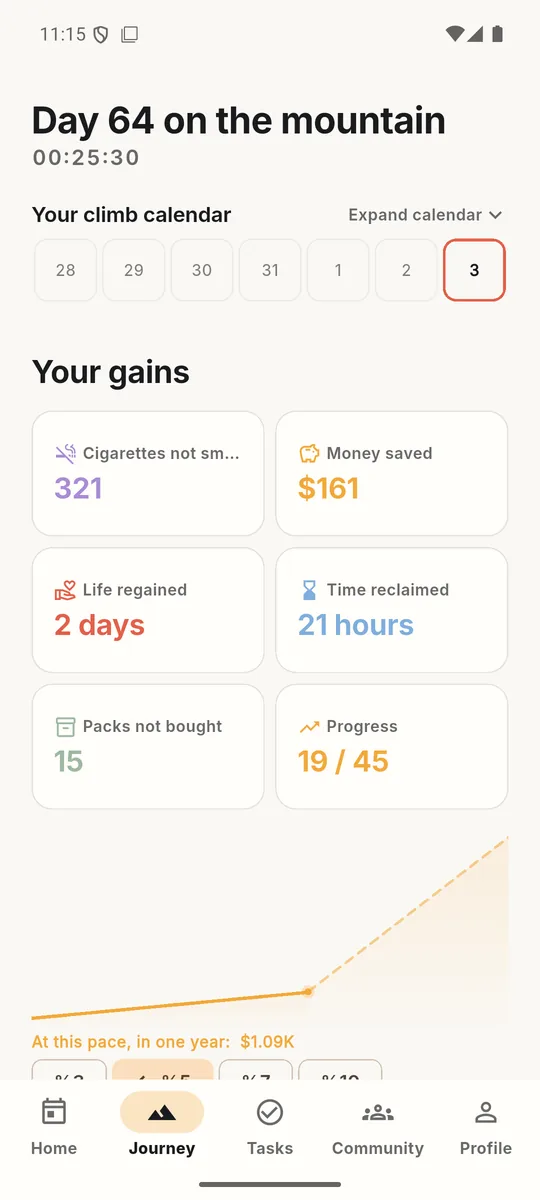
Your gains day by day: cigarettes not smoked, money saved, life reclaimed.
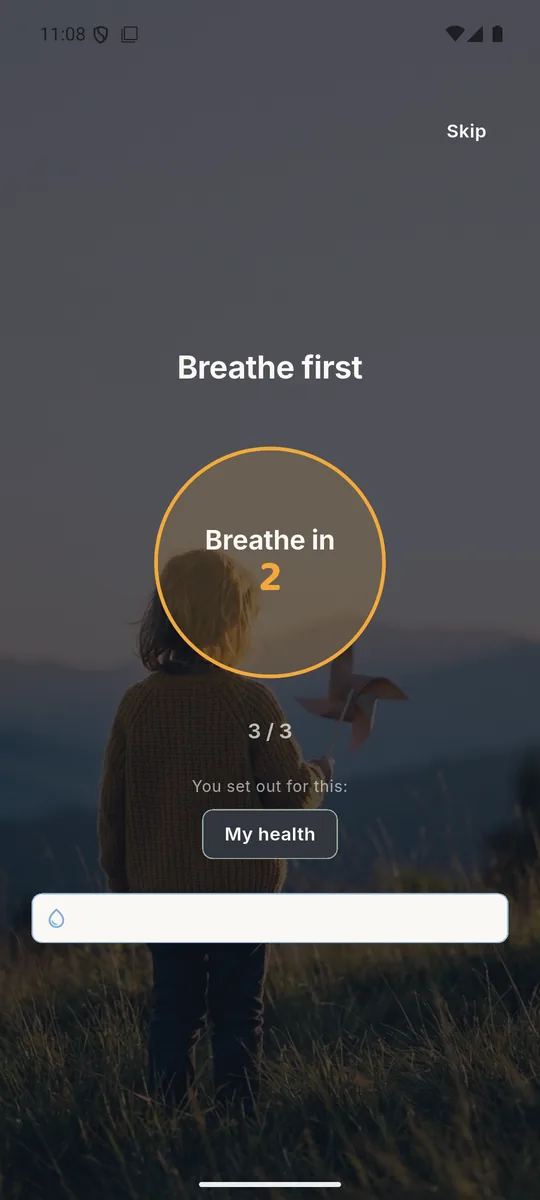
One tap when a craving hits: breathe first. A three-round guided breathing exercise.
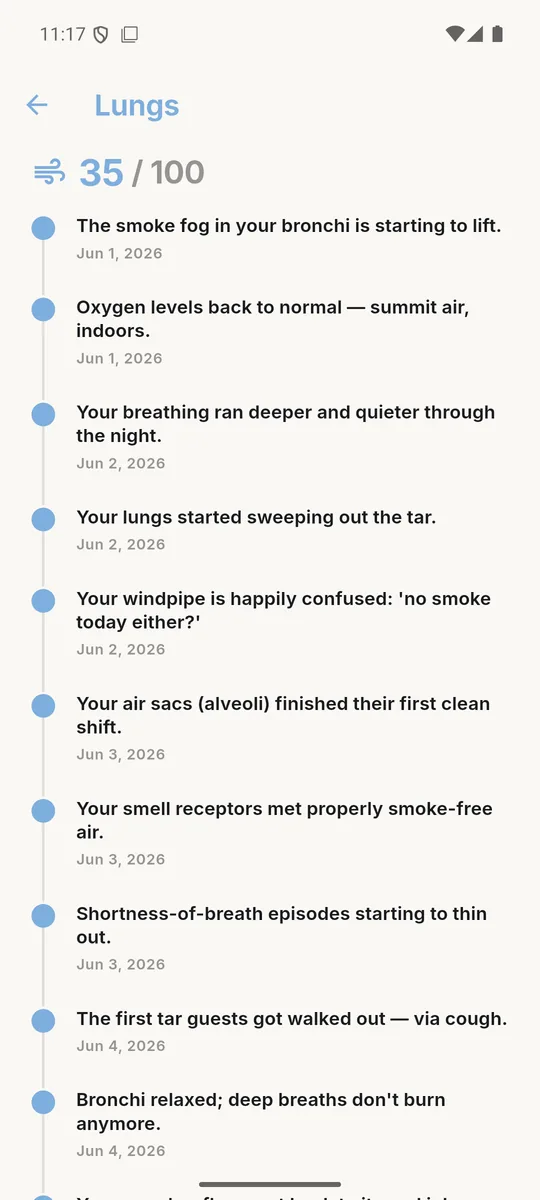
Six routes, 600 stops. Whatever is repairing in your body, you read it there.

You choose the view you are climbing — summit, forest, sea, or your own photo.
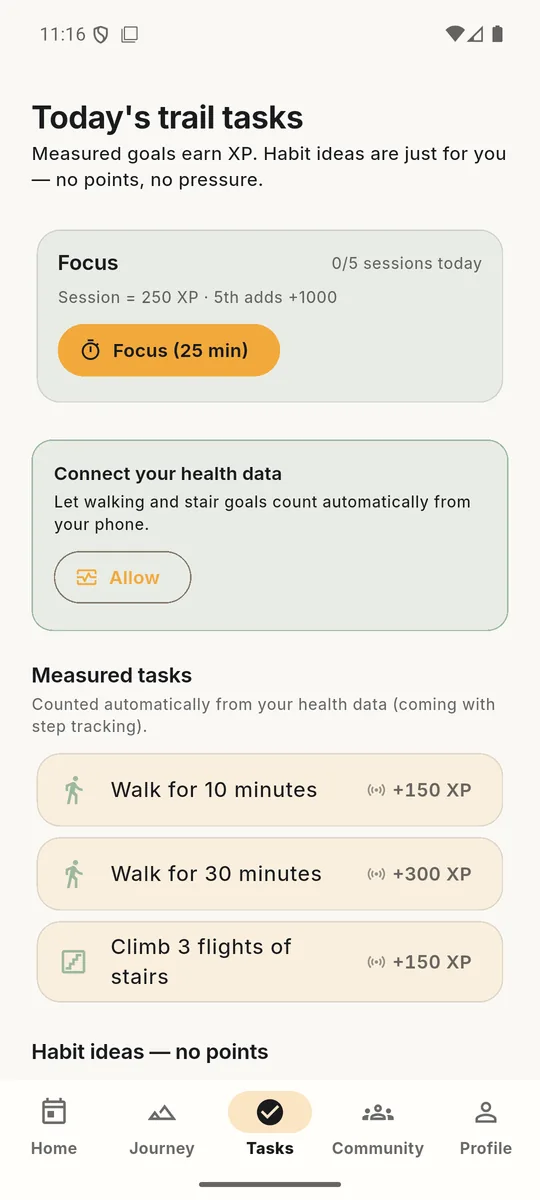
Small tasks every day. You are building a habit, not willpower.
Real screens from the app.
- Hear your own voice when a craving hits — the reason you quit, in your own words. You can add the voices of people you love, too.
- One tap for guided breathing and a distracting task — enough to fill those four minutes.
- 600 stops across six routes: read exactly what is repairing in your body today.
- Your numbers live on your device and keep counting offline — even on a plane.
- You pick the view you are climbing: summit, forest, sea, or your own photo.
- Interface, content and notifications in 14 languages.
You start free. The first day of the journey and the last are both yours.