Does Quitting Smoking at 60 Work?
July 29, 2026·7 min read
Quitting at 60 still makes a real difference — and faster than most people expect. Here’s what changes, what to ask your doctor, and what to expect week by week.
Short answer: yes, it helps — and the payoff shows up faster than most people think.
This piece isn’t a debate about “does it still matter?”. It’s about the practical side of quitting at 60 — because the real questions at this age are different: What about my medications? What does my current health situation mean? Which kind of support is actually safe for me?
What changes first at this age?
Long‑term risk charts are one thing, but someone who quits at 60 usually feels changes within weeks. Most people notice:
Breathing. Stairs and hills get noticeably easier.
Cough. It can increase a bit in the first week (your lungs starting to clear) and then settles down.
Energy and sleep. As carbon monoxide levels in your blood drop, daytime fatigue starts to ease.
Taste and smell. They often sharpen around 48 hours; feeling hungrier is normal.
We broke down the exact hour‑by‑hour and year‑by‑year repair timeline separately. The numbers on extra years of life are in the article on smoking for many years.
⚠️ Medication doses: the most overlooked detail
Most people who quit around 60 are on regular medication, and this part really matters.
Some substances in cigarette smoke speed up a group of enzymes in your liver. Those same enzymes also break down certain medications — which means if you smoke, some drugs are cleared faster and your doses may have been set with that in mind.
When you quit, that enzyme activity returns toward normal, and the same dose can hit harder.
This can apply to some heart, blood pressure, blood thinner, diabetes, thyroid, psychiatric, and respiratory medications.
The action step is simple: tell your doctor or pharmacist you’re quitting. One sentence is enough: “I’m quitting smoking — do we need to adjust any of my meds?” This isn’t a barrier to quitting; it’s just something your care team needs to know.
To make the visit useful, bring two things:
A list of your medications (photos of the boxes or bottles are fine)
Your quit date
If something needs to be adjusted, your doctor will usually plan it around that date. Without a date, the conversation often ends with “come back when you quit” — and that day never quite comes.
Three quick questions to ask:
“Which of these medications might need a dose change when I quit?”
“Is nicotine replacement (patch/gum) safe for me, and if so, which one?”
“What should I watch for in the first weeks, and when should I call you?”
All three take about two minutes — and all three make quitting at this age noticeably easier.
If you have surgery, a procedure, or a hospital stay coming up
An upcoming surgery isn’t a reason to wait to quit; it’s a reason to start now.
Smoking affects wound healing and how well oxygen gets to your tissues. It also makes a difference for anesthesia and your lungs during and after the procedure. Quitting weeks before surgery is usually one of the first things your surgical team will recommend.
A lot of people quitting in their 60s come in through this door: they get a date for a procedure and tie their quit date to that. It’s not a bad starting point — a real date on the calendar solves the hardest part.
If you already have COPD or heart disease
“Too late now, the damage is done” is probably the most common sentence at this stage. But getting a diagnosis doesn’t make quitting less meaningful — it actually makes it more concrete.
With COPD and similar lung conditions, the lost lung function doesn’t come back. What quitting does is slow the rate of loss. The curve flattens for people who stop.
On the heart and circulation side, improvement is more visible: risk reduction in the first years after quitting is clear.
The honest frame is this: quitting doesn’t erase the past, it changes the trajectory. And that trajectory is what shapes day‑to‑day life the most as we get older.
There’s also the treatment side that almost never gets mentioned: smoking affects the treatment itself. Wound healing, oxygen delivery to tissues, how much of certain drugs stays in your system — all of these shift when you quit. So for someone with an established diagnosis, quitting isn’t only about the disease; it’s also about how well the treatment works.
If your spouse or housemate still smokes
This is the most common practical roadblock at this age, and it’s rarely something you can fix alone.
The strongest option is quitting together: when two people in the same home stop at the same time, both have a better shot. But pushing someone into it usually backfires — and your relationship pays the price.
If you can’t convince them, the minimum request is this: no smoking in the home or the car. Frame it not as a judgment, but as a time‑limited favor: “just for my first two weeks.” When the two weeks are up, you can re‑talk it. Open‑ended demands tend to get turned down on day one.
Smell itself is a trigger. Using the home detox guide on shared spaces usually makes a difference.
What kind of support makes sense at this age?
Two things matter here:
Dependence is usually higher. If you’ve smoked for many years and reach for your first cigarette early in the morning, going with “willpower only” gets tough. Nicotine patches, gum, or prescription options can really change the game in this situation.
But the choice should be made with your doctor. Your heart and blood pressure history — plus your current medications — determine which support is safe and appropriate. At this age, instead of “I’ll just grab a patch from the pharmacy,” one extra question works better: “Which option is right for me?”
The pre‑quit checklist has eight items. At this age, there’s a ninth: talk to your doctor.
What to expect in the first month, week by week
Knowing what’s coming is one of the most helpful things at this age. Roughly, it goes like this:
Week 1. The first three days are the steepest part. Cough can actually get worse for a bit — that’s a sign of healing, but if you don’t expect it, it can send you back. Sleep may be off, and appetite usually picks up.
Week 2. Cravings come less often. Taste and smell settle in. The most common sentence this week: “Food tastes different.”
Weeks 3–4. This is when breathing changes show up: stairs, hills, grocery bags. Circulation and lung function start to improve in this window. This is when most people say, “Okay, this is actually working.”
⚠️ There’s also a dip between week two and three: the “Day 1 determination” fades, but the benefits aren’t fully visible yet. Knowing that this gap is coming is what gets a lot of people through those days without “quitting on quitting.”
“Isn’t quitting at this age too stressful?”
Family and friends sometimes mean well and say: “Don’t put them through the stress of quitting at this age.”
The reply is this: the withdrawal period from quitting is measured in weeks, and each symptom has a time limit. The load of continuing to smoke has no built‑in end date.
There’s also a quiet advantage to quitting later in life: less social pressure, more control over your daily routine, and very concrete reasons to stop. We wrote separately about why quitting at this age isn’t as hard as people think.
Quitting at 60 absolutely makes a difference — but what really helps at this age isn’t a pep talk. It’s two practical steps.
First: set a date. Second: ask your doctor or pharmacist, “I’m quitting — do we need to adjust any of my medications?”
Add your date to the counter on the right to see how your breathing and savings add up from today. To keep the same tracking and “craving tools” in your pocket, the Tar2Star app was built exactly for this journey.
This page is a photo. The app is the film.
These numbers show today. Tar2Star shows you a new one every morning — and stays with you when a craving hits.
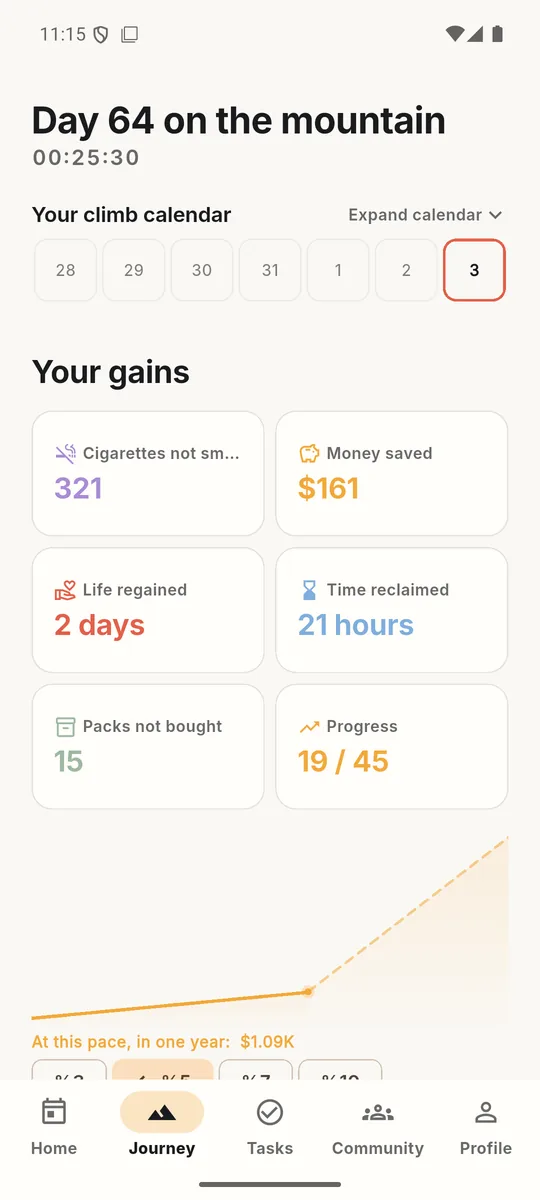
Your gains day by day: cigarettes not smoked, money saved, life reclaimed.
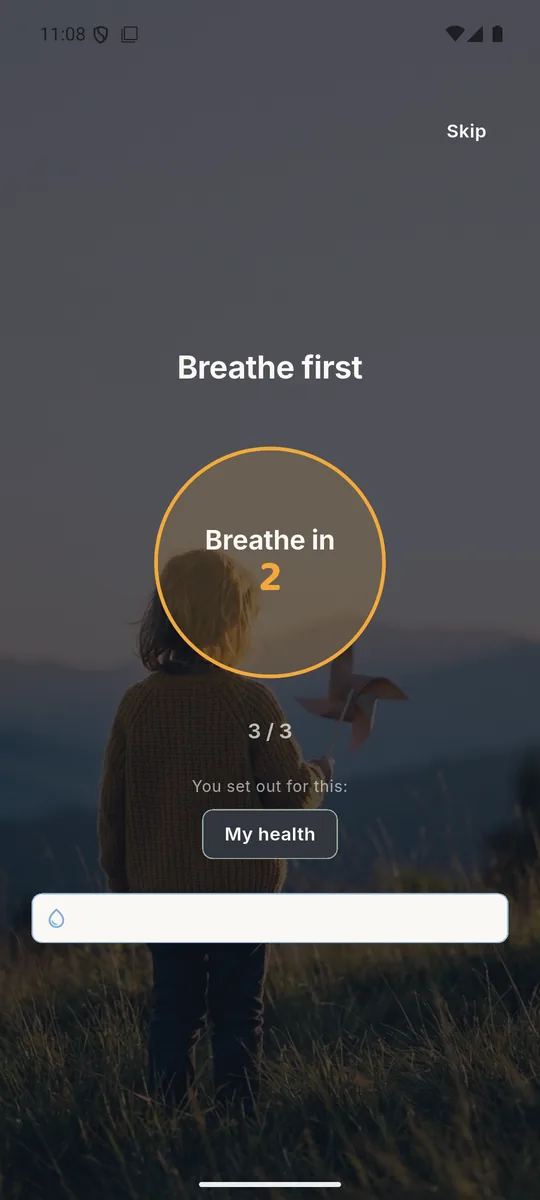
One tap when a craving hits: breathe first. A three-round guided breathing exercise.
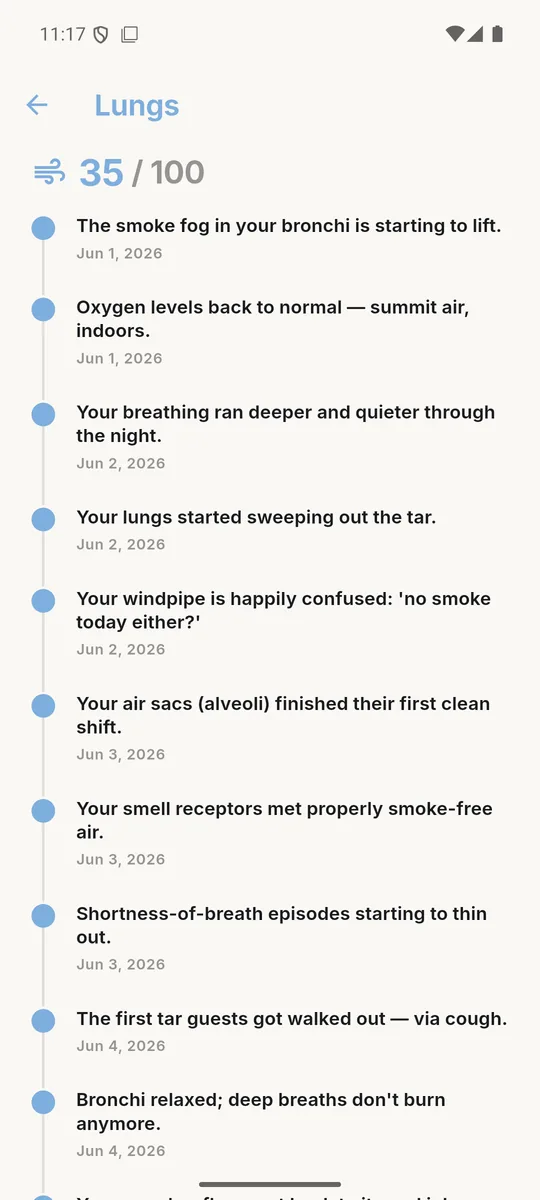
Six routes, 600 stops. Whatever is repairing in your body, you read it there.

You choose the view you are climbing — summit, forest, sea, or your own photo.
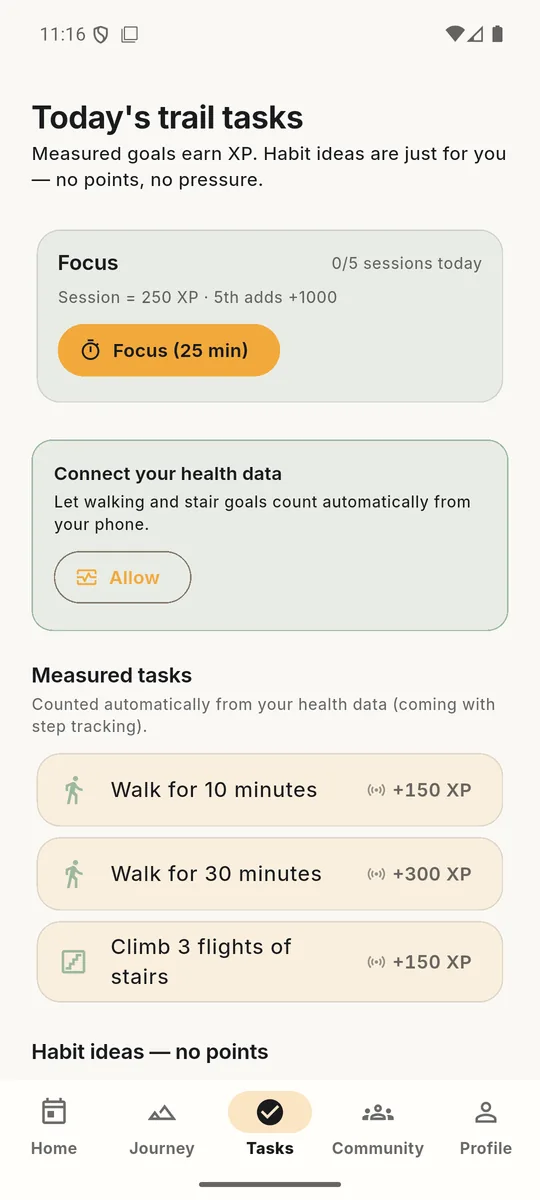
Small tasks every day. You are building a habit, not willpower.
Real screens from the app.
- Hear your own voice when a craving hits — the reason you quit, in your own words. You can add the voices of people you love, too.
- One tap for guided breathing and a distracting task — enough to fill those four minutes.
- 600 stops across six routes: read exactly what is repairing in your body today.
- Your numbers live on your device and keep counting offline — even on a plane.
- You pick the view you are climbing: summit, forest, sea, or your own photo.
- Interface, content and notifications in 14 languages.
You start free. The first day of the journey and the last are both yours.